
Why Monzo Won My Trust: Fast Refunds and Reliable Service.
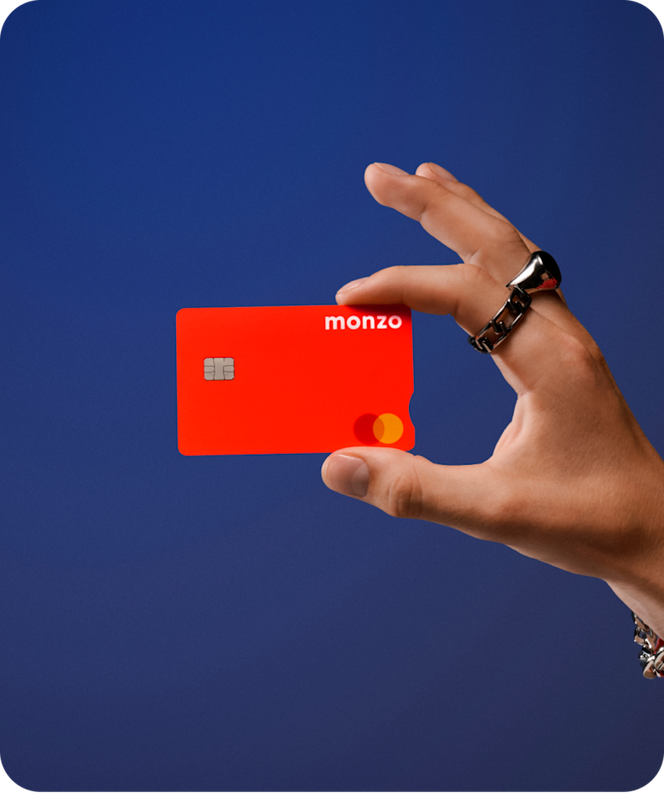
In today’s digital age, banking has evolved far beyond traditional branches and long queues. One of the most prominent examples of this change is Monzo, a fully authorised regulated UK bank that operates entirely through a mobile application. Unlike conventional banks with physical branches, Monzo provides its services digitally, allowing users to manage their finances directly from their smartphones. Through the app, customers can access a range of services including current accounts, saving features, and loans, all designed to make banking simple, fast, and accessible.
For someone considering using Monzo for the first time, it is natural to feel a bit uncertain. The idea of trusting a bank that does not have physical branches may initially seem unusual, especially for people who are used to traditional banking systems. Questions such as whether it is secure, reliable, or practical for everyday use are common among new users. However, my personal experience has shown that digital banking can actually be more convenient and responsive than expected. I currently use Monzo as my primary banking app for everyday transactions. Over time, it has become an essential part of managing my finances, from receiving payments to tracking spending and handling unexpected issues. What impressed me the most is how user-friendly and transparent the app is. The interface is clear, transactions are recorded instantly, and the customer support system is efficient and approachable.
I first started using Monzo in August 2024. At that time, it was simply another banking app for me—convenient, modern, and easy to use for everyday transactions. I appreciated the instant notifications and the ability to track my spending, but I had not yet experienced anything that would make me deeply trust the platform. That trust, however, was built during a difficult and unexpected situation in December 2024. At that time, I was working part-time and struggling financially. Like many students, I was trying to balance studies, work, and living expenses. Unfortunately, my financial situation was quite challenging. I often found myself worrying about money, and there were moments when I felt completely overwhelmed by the pressure of managing basic expenses. During that period, I became desperate to find additional ways to earn money. One day, while browsing online opportunities, I came across a form that promised easy earnings through simple tasks performed on a mobile phone. The idea sounded appealing—especially for someone who needed money urgently. Without thinking too much about the potential risks, I filled out the form.
Shortly after submitting it, I was contacted by individuals who claimed to represent the company offering the work. Interestingly, they reached out to me through WhatsApp rather than through a professional email or official platform. Looking back now, this was an obvious red flag. They did not ask for much information about my background, experience, or qualifications, which should have raised suspicion. However, at that moment, my focus was simply on earning money, and I chose to ignore those warning signs. Soon after, they added me to a WhatsApp group that they described as an “official work group.” The group appeared active, with several members discussing tasks and earnings, which created the impression that it was legitimate. They then instructed me to download an application and perform simple tasks such as increasing views on certain online content. According to them, each completed task would generate small payments.
At first, everything seemed genuine. I completed the tasks as instructed and, to my surprise, I actually received small payments. This initial success made the opportunity appear credible. In fact, they even transferred £50 to my account to build trust. Seeing money arrive in my bank account naturally reassured me, and I felt that the work might actually be legitimate. Encouraged by this, I continued completing tasks and eventually accumulated what they claimed to be £150 in earnings. However, when I attempted to withdraw this amount, I was told that I needed to deposit £100 first in order to “unlock” or redeem my earnings. Unfortunately, I believed them and transferred the amount they requested. After this payment, the situation quickly became more complicated. They informed me that the payment needed to be sent to a different bank account located somewhere in Europe. Although this seemed unusual, I again chose to trust them. Over time, through various requests and instructions, I ended up transferring multiple payments. Before I realised what was truly happening, I had lost approximately £800.
When I finally confronted them and asked for my money back, their response was shocking. They told me that if I transferred an additional £1,000, they would release £2,000 back to me. At that point, I was already under severe financial stress and felt trapped. I had already lost a significant amount of money, and I believed that sending the additional payment might allow me to recover what I had lost. Desperate and feeling that I had no other option, I borrowed £1,000 from someone I knew. I then attempted to transfer the money using my Monzo account. However, something unexpected happened—the transaction did not go through immediately. Instead, it was temporarily stopped by Monzo and flagged for further approval and verification. At that moment, I felt confused and anxious. But what I did not realise was that this intervention would become the turning point of the entire situation. That was the moment when Monzo truly came to my rescue.
When my payment was blocked by Monzo, I immediately informed the scammer that I was unable to complete the transfer. I explained that my bank had stopped the transaction and was asking me to verify the purpose of the payment. Instead of showing concern, the scammer quickly gave me instructions. He told me to simply call Monzo and tell them any excuse—perhaps that I was sending money to a friend or paying someone I knew. He insisted that banks often block payments unnecessarily and that I just needed to be firm with them. In fact, he even encouraged me to be rude or aggressive with the bank staff if they refused to approve the transaction. According to him, if I pressured them enough, they would eventually unblock the payment. At the time, I was still under immense stress and pressure. I had already lost a large amount of money and desperately wanted to recover it. Believing that the scammer might actually return the promised amount if I completed the payment, I followed his instructions. I called the customer support line of Monzo and was connected to someone from their support team—possibly from the fraud prevention department. The representative began asking me several questions about the transaction. He asked why I was sending the money, who the recipient was, and whether I personally knew the individual receiving the payment. He also asked about some of the previous transactions that had taken place on my account.
Unfortunately, because I was following the scammer’s advice, I was not cooperative during the conversation. In fact, I was quite rude to the Monzo staff member. I insisted that it was my money and that I should be allowed to send it wherever I wanted. Despite my tone, the staff member remained calm, patient, and professional throughout the conversation. After reviewing the details of the transaction, he explained that he would not be able to unblock the payment because he strongly suspected that it might be part of a scam. Hearing this frustrated me even more, and I asked him why he believed it was a scam.
His explanation immediately caught my attention.
He calmly told me that this situation followed a very common scam pattern. He explained that scammers often begin by offering simple online tasks that promise easy earnings. At first, they send small payments to build trust. Once the victim feels comfortable, they start asking for deposits or additional payments with the promise of releasing larger amounts later. In many cases, victims are asked to send money to unfamiliar accounts, often located in other countries. As he described this pattern, I began to realise that every step he mentioned matched exactly what had happened to me. The Monzo representative then asked me a direct question. He said that if I was being targeted by a scam, it was important for me to tell him honestly. He explained that without knowing the truth, he would not be able to properly help me or protect my account. That was the moment when everything finally hit me. The frustration, the pressure, and the fear suddenly gave way to honesty. I paused for a moment and then told him the entire story—from the WhatsApp messages and the fake job tasks to the money I had already transferred. For the first time during the whole situation, I felt that someone was actually trying to help me rather than take advantage of me. And that conversation became the turning point in my experience.
After I finally explained everything, the representative from Monzo carefully listened to my entire story. Instead of judging me or criticising my mistake, he remained calm and supportive. He asked me to explain every detail of the situation—from the very first message I received to the most recent transaction I had attempted to make. He wanted to understand every step of what had happened. He then guided me through the next steps. He asked me to formally report the fraud through the Monzo app and requested that I upload all the evidence I had. This included screenshots of the WhatsApp conversations, the payment instructions they had sent me, and any other information that could help their fraud investigation team understand the situation. The representative explained that he would try his best to help, but he also wanted to be honest about the reality of the situation. He told me that the £800 I had already transferred had been sent to accounts in European banks, which could make the recovery process difficult. Once money leaves the country and moves through multiple accounts, tracing it becomes extremely challenging.
However, despite those difficulties, he assured me that they would still attempt to investigate the case. He made it clear that he could not promise anything, but he genuinely wanted to try. In addition, he temporarily blocked my card for a few days as a precautionary measure to ensure that no further suspicious transactions could take place. Although I was disappointed about the possibility of losing the money permanently, I was also relieved. At the very least, the Monzo team had prevented me from making the additional £1,000 payment that the scammers were pressuring me to send. If that transaction had gone through, my financial situation would have become far worse. Following his instructions, I carefully completed the fraud report through the Monzo app. I uploaded all the screenshots, explained every step of the incident, and submitted all the evidence they requested. After doing this, all I could do was wait and hope for the best.
During this waiting period, I spoke to one of my friends about what had happened. After hearing the story, he expressed doubt that anything would come of it. He told me that because Monzo operates as a digital bank without physical branches, it might be harder for them to resolve such cases. According to him, if my account had been with a traditional bank like Lloyds Bank or HSBC, there might have been a better chance of receiving a refund. Hearing that made me feel even more hopeless. I accepted that I had made a serious mistake and believed that the money was most likely gone forever. At that point, I tried to treat the experience as a difficult life lesson—one that taught me that there are no shortcuts to earning money. Any opportunity that sounds too good to be true usually is.
Days passed, and I slowly moved on from the incident, although the regret still lingered.
Then something completely unexpected happened.
On the morning of 24 December 2024, I received a notification from my bank. At first, I assumed it was just another routine transaction alert. However, when I opened the app, I was shocked to see that £800 had been credited back into my account.
For a moment, I could hardly believe what I was seeing.
Along with the transaction, there was a message from the Monzo team informing me that they had managed to recover and refund the money that I had lost in the scam. The message also included a simple but heartwarming note wishing me “Merry Christmas.” That moment genuinely made my day. What had started as one of the most stressful financial experiences of my life ended with an unexpected act of support and care from a bank that many people assume cannot help because it operates digitally.
From that day onward, my trust in Monzo became stronger than ever. What impressed me most was not just the refund itself, but the professionalism, patience, and genuine concern shown by their team throughout the entire process. Sometimes the true value of a service is not realised until you need help the most—and in my case, Monzo proved that even a fully digital bank can provide real human support when it truly matters.
Comments
Bravo girl! Miles to go!! ❤️❤️
Thank you so much:)